

How UAE is using innovation and science to build climate resilience
New adaptation measures target long-term environmental resilience
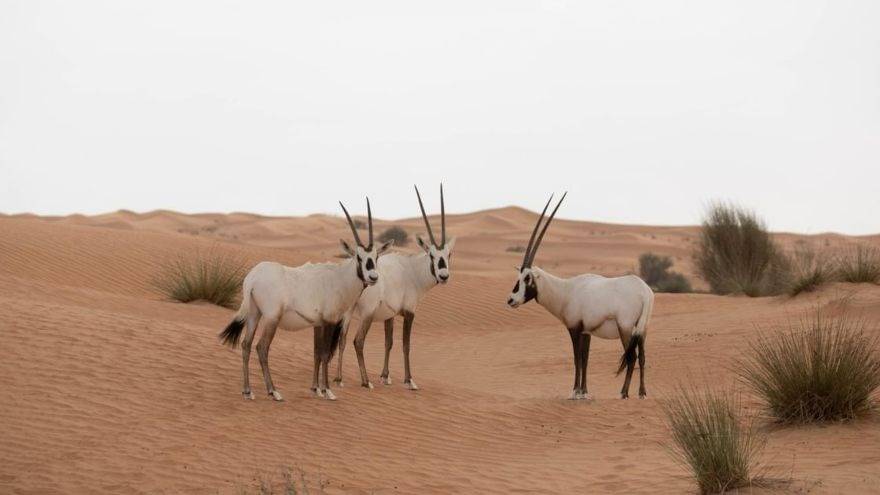
ABU DHABI – The United Arab Emirates (UAE) is reaffirming its commitment to environmental protection and climate resilience as World Environment Day 2026 shines a spotlight on nature-based solutions to global challenges.
In Abu Dhabi, environmental authorities are continuing to expand programmes aimed at safeguarding biodiversity, strengthening natural ecosystems and developing innovative approaches to climate adaptation.
Marking this year’s World Environment Day under the theme “Inspired by Nature. For Climate. For Our Future.”, Dr Shaikha Salem Al Dhaheri, Secretary-General of Environment Agency – Abu Dhabi (EAD), said the occasion provides an opportunity to renew efforts to protect natural resources while enhancing ecosystem resilience against the growing impacts of climate change.
She noted that environmental sustainability remains closely aligned with the UAE’s broader development vision and its long-term commitment to sustainable growth.
Science first
For more than three decades, EAD has implemented environmental programmes rooted in scientific research and innovation. The agency has increasingly relied on advanced technologies and artificial intelligence to improve environmental monitoring, enhance natural resource management and develop solutions that help communities adapt to changing climate conditions.
According to Dr Al Dhaheri, these technology-driven initiatives are helping Abu Dhabi build a more resilient environmental framework while supporting conservation goals across the emirate.
A key milestone in these efforts was the launch of the Abu Dhabi Climate Change Adaptation Plan for the Environment Sector 2025-2050. The strategy is designed to strengthen preparedness for climate-related impacts through the protection of critical environmental systems, including groundwater resources, soil quality and biodiversity.
Long-term plan
The adaptation plan outlines 142 actions extending through 2050, demonstrating the emirate’s long-term commitment to climate resilience. Of these, 86 projects are scheduled for implementation during the next five years.
The measures focus on protecting resources that are essential for water security, food security and environmental stability. By safeguarding these systems, authorities aim to minimise climate-related risks while maintaining the sustainability of natural assets for future generations.
The plan also reflects Abu Dhabi’s wider efforts to integrate environmental considerations into strategic planning and development policies.
Conservation gains
Recent achievements highlight the impact of ongoing conservation initiatives. Among the most notable developments is the documented return of the Arabian caracal after an absence of 35 years, a milestone that underscores the importance of habitat protection and biodiversity management.
Environmental monitoring capabilities have also expanded significantly. EAD has deployed smart monitoring technologies and drones to survey more than 700 sites across the emirate, enabling more efficient data collection and environmental assessment.
In another major achievement, the agency developed Abu Dhabi’s first groundwater atlas. The comprehensive resource documents more than 118,000 wells and provides valuable information to support sustainable water management and future planning.
Dr Al Dhaheri said these accomplishments demonstrate EAD’s commitment to working alongside partners across multiple sectors to advance environmental protection and climate action.
Shared responsibility
Sheikh Hamdan bin Zayed Al Nahyan, Ruler’s Representative in Al Dhafra Region and Chairman of the Board of Environment Agency – Abu Dhabi, said World Environment Day reflects a growing international commitment to accelerating climate solutions and strengthening cooperation to protect natural resources.
He stated that under the leadership of President and Ruler of Abu Dhabi His Highness Sheikh Mohamed bin Zayed Al Nahyan, the UAE continues to advance a development model that places sustainability and climate action at the centre of future planning. This approach is supported by continued investment in innovation, technology and sustainable solutions aimed at enhancing the readiness of communities and economies to address climate challenges.
Sheikh Hamdan also highlighted the enduring legacy of the late Sheikh Zayed bin Sultan Al Nahyan, whose vision established environmental stewardship as a core component of the nation’s development journey. That legacy continues through initiatives and projects focused on conserving natural resources and ensuring their sustainability for future generations.
He stressed that addressing climate change requires collective action from institutions, communities and individuals, alongside stronger scientific research, greater environmental awareness and the empowerment of younger generations to adopt responsible and sustainable practices.